
All of us were brought into this world by a parent. right. And no-one is perfect, so no-one escapes some kind of wounding in childhood or in life in general – anything unloving that does not make us feel safe. Often we struggle to trust people because they are the one’s who make us feel pain. Many of you may have experienced wanting to feel loved and safe with a parent, but it is difficult to be close with them because they are the ones wounding us – often not intentionally – but it hurts all the same and makes it difficult for us to be vulnerable with them. So this is where the beauty of animals come in, they are not human.
How do we express our emotions, feel shame or rejection, not be sure whether we fit in or trust that people don’t have ulterior motives when they are kind to us or pay us attention?
Again this is where pets play an important role. Take my dog for example she is usually the first one to greet me when I get home, waiting at the door, wagging her tail and showing so much love and joy. Not now and again, but every time. I can trust that.
Animals seem to accept us for who we are, they aren’t constantly judging or assessing us, so we can let down our guard and be at ease with them. This is the kind of relationship any trauma survivor wants.
Research shows:
Interacting with animals reduces stress (lowers cortisol, heart rates, and blood pressure), encourages social behaviour (if I can relate to my pet, then maybe I can take one step towards relating to a person) and enhanced psychological well-being.
Petting animals releases oxytocin, a hormone important for bonding, and we feel less lonely – we have a companion who likes us and wants to be with us.
Relating to an animal often assists other therapies. I had better DBT sessions with a teenager on the autism spectrum after dog assisted therapy. Children struggling with reading, do so better when cuddling a rabbit or reading to a pet. Those with learning challenges had 150% better concentration after swimming with dolphins. Pets help those overwhelmed with certain stimuli or heightened emotions to regulate and self-soothe.
Here are some ways Dr. Nicole LePera, suggests you can bring pets into your healing:
Bring a pet to your therapy sessions: Ask your therapist if you can bring a (well behaved) pet into the session. Or, if you’re in virtual therapy, have your pet sit on your lap or close to you.
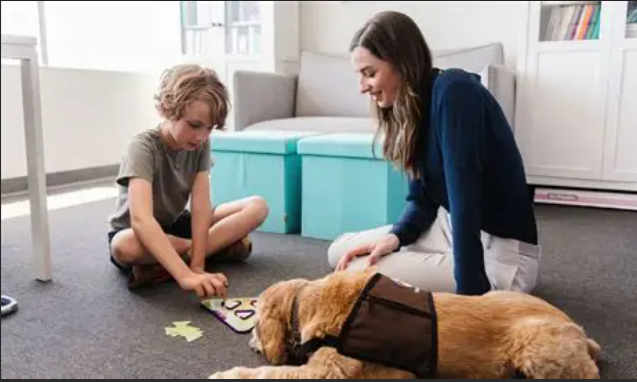
Volunteer at a shelter: If you don’t have a pet, volunteer at an animal shelter. Shelters are always looking for people to walk dogs or play with cats.
If you’re having an intense emotional moment, have your pet sit on your chest or pet them slowly (this is a powerful grounding technique)
Let your family or friends know you’re willing to pet sit: Not everyone can afford a pet or has the time to dedicate to one. Let your friends know you’d be willing to help out with their pets if needed.
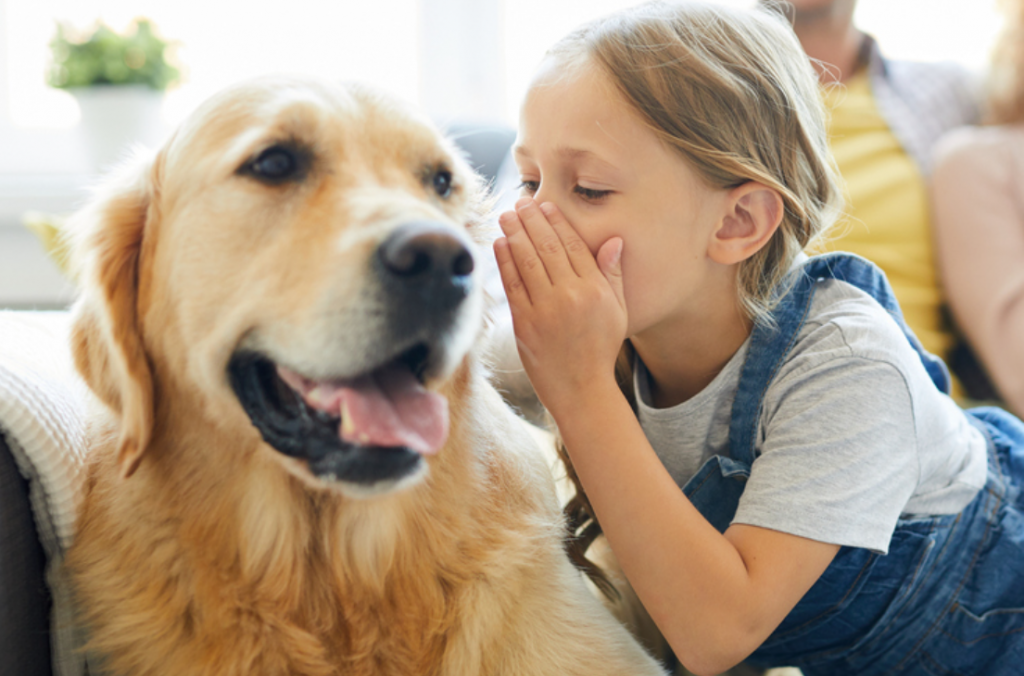
Talk to your pets: Many people tell their pets things they’ve never spoken to another person. This can help you release things you’ve repressed without the fear of judgment.
Walk your dog: I’m a huge proponent of walking for nervous system health. Get out with your dog. Walk around the neighbourhood. The movement of walking shifts our body into a parasympathetic state, and it can be a glimmer to see how happy your dog is during the walk.
Time with pets has a profound impact on our nervous system. If you’ve felt this intuitively, science backs you up. The future of trauma healing will involve the power of animals that give us so much love, comfort, and safety—sometimes that we’ve never received from other people.