
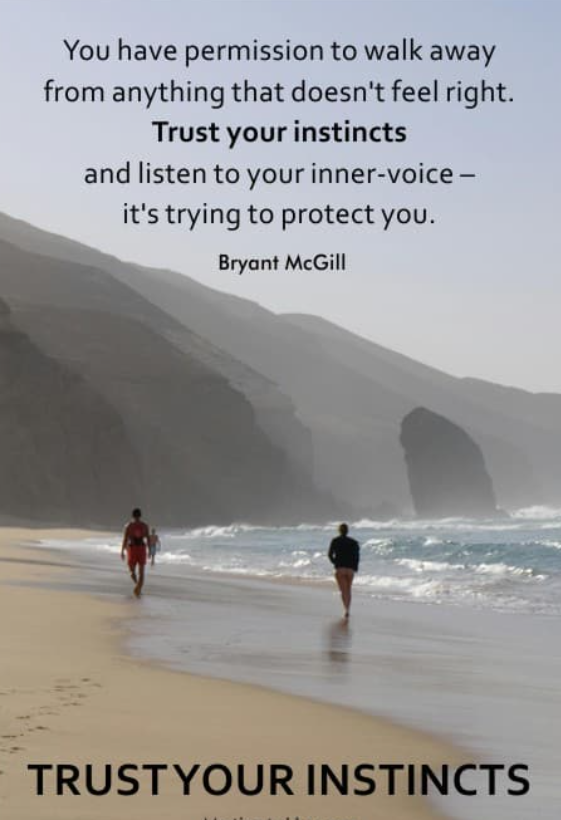
Have you ever had that quiet, uneasy feeling — the one that whispers “something’s off” long before you can explain why? Most people have. And often, that subtle discomfort is your first and best warning that someone isn’t who they claim to be.
Fraudulent people rarely reveal themselves through one dramatic red flag. Instead, they show up through a pattern — a constellation of behaviours that, when viewed together, paint a clear picture of manipulation, deception, or exploitation. The art is learning to trust your intuition and recognise the signs early.
Here are the tell‑tale behaviours that help you identify when someone’s intentions aren’t clean.
1. Manipulative Communication
Fraudulent individuals often speak in ways that distort clarity and create confusion.
- Inconsistent stories — details shift, timelines wobble, excuses multiply.
- Over‑charm or persuasion — they work hard to gain trust quickly.
- Avoiding specifics — vague answers, deflection, or irrelevant detail to distract you.
Their words feel slippery, and you find yourself trying to “make sense” of what shouldn’t require effort.
2. Exploiting Trust
They don’t earn trust — they accelerate it.
- Fast‑tracking closeness emotionally, romantically, or professionally.
- Using your personal information to gain sympathy or leverage.
- Mirroring your values to appear perfectly aligned with you.
Fraudulent people study you first, then shape themselves into what you want to see.
3. Lack of Transparency
Opacity is their shield.
- Secretive about finances, identity, or background.
- Unwilling to provide verifiable information when it matters.
- Blaming others or “misunderstandings” to avoid accountability.
You’re left with more questions than answers — and they prefer it that way.
4. Patterns of Dishonesty
It starts small.
- Frequent minor lies that snowball.
- Words and actions that don’t match.
- Excuses that always benefit them.
Integrity is never part of the equation — only advantage.
5. Opportunistic Behaviour
They appear when there’s something to gain.
- Present only when they need something.
- Sudden emergencies requiring money, favours, or sensitive information.
- Using kindness, guilt, or social pressure to get their way.
Your empathy becomes their resource.
6. Emotional Manipulation
Fraudulent people don’t just manipulate facts — they manipulate feelings.
- Playing the victim to avoid responsibility.
- Creating urgency or fear to push you into action.
- Gaslighting — making you doubt your memory, judgment, or instincts.
You end up feeling rushed, confused, guilty, or off‑balance.
7. Financial Red Flags
Money is often the motive, but not always the only one.
- Unusual payment requests (gift cards, crypto, wire transfers).
- Guaranteed returns or “risk‑free” opportunities.
- Lifestyle that doesn’t match their story.
If it feels too good to be true, it usually is.
8. Inconsistent Identity
Their story never fully lands.
- Multiple accounts, mismatched details, shifting names.
- Unverifiable employment or qualifications.
- Avoiding in‑person or video contact when it should be simple.
Their identity is a costume, not a reality.
9. Overconfidence and Grandiosity
Fraudulent people often hide insecurity behind bravado.
- Exaggerated claims about achievements, wealth, or connections.
- Acting offended when questioned.
- Portraying themselves as uniquely special or misunderstood.
Their ego is loud because their truth is quiet.
10. Repetition of the Same Pattern
Fraud is rarely spontaneous — it’s practiced.
They tend to:
- target similar types of people
- use the same excuses
- repeat the same behaviours across relationships, jobs, and opportunities
Once you see the pattern, you can’t unsee it.
A Non‑Obvious Insight
Fraudulent individuals rely less on intelligence and more on predictable human psychology: trust, fear, urgency, loneliness, hope, or empathy. The real giveaway is not what they say, but how they make you feel.
If you feel rushed, flattered, confused, guilty, or slightly off‑centre — pause. Your nervous system is signalling what your mind hasn’t yet named.
Your gut is not paranoia. It’s wisdom.
Fraud rarely begins with a bang — it begins with a whisper. A strange feeling. A hesitation. A moment where something doesn’t quite add up. When you honour that instinct, you protect not only your finances, but your values, your energy, and your emotional wellbeing. You deserve relationships, opportunities, and connections that feel clean, steady, and true. Trust the part of you that notices the subtle shifts — it’s trying to keep you safe.