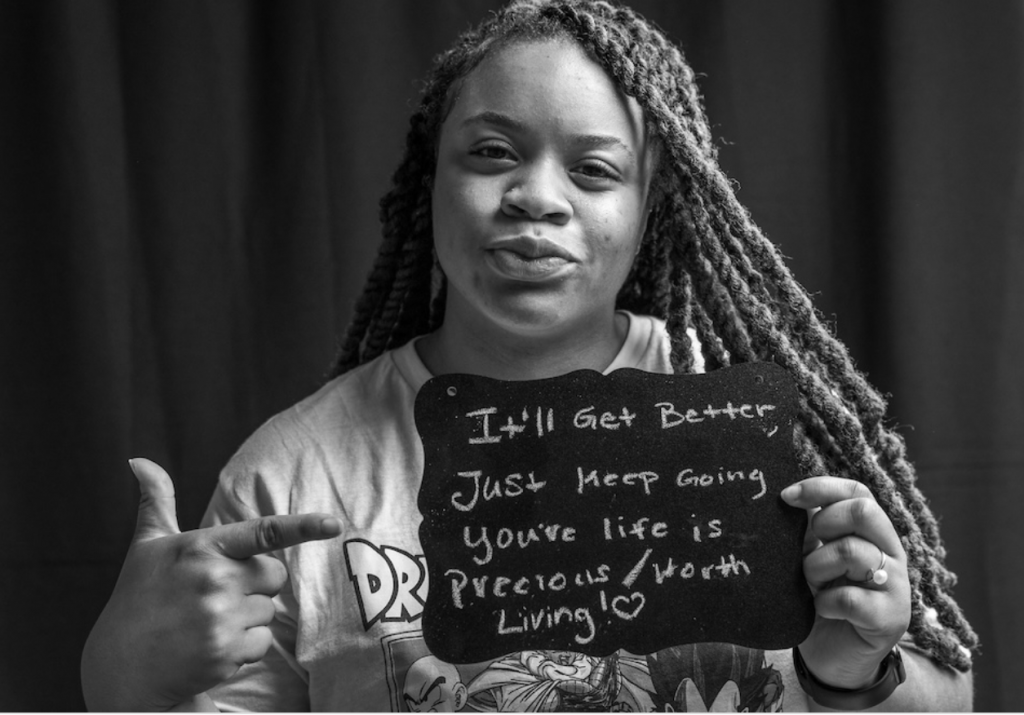
Is it a cold calculated choice, or are their impactful factors beyond the person’s control?
Did you know according to Carolyn Spring, a suicide survivor who has a huge impact in educating and equipping others to find happiness and hopefulness when they feel like ending it all, that the following factors can influence the pathway to the final suicide attempt?
- having the wrong genes – according to suicide research if you have the short version of the 5-HTTLPR gene that impacts serotonin the positive mood hormone, you are at greater risk of dying by suicide in later life. However this is not doom and gloom as the body and mind are interlinked and Bruce H. Lipton, author of ‘The Biology of Belief’ advances our cell membranes are really the brain of our cells, not the nucleus(genetic predisposition) and ‘the environment’ – geographic environment, and our positive and negative thought environment – moves across the cell membrane and can actually change our cellular composition!
- as early as in the womb you can be exposed to stress hormones if your mother is having a hard time with life. These glucocorticosteroids leave you with an sensitized stress response. This can be analysed in the dexamethasone suppression testand if you are deemed a ‘low responder’ you are once again more predisposed to dying by suicide later on in life
3. as if these two risk factors are not enough, you now need to be born. If during the birth you have a birth trauma like
- being asphyxiated – the umbilical cord might be dangerously wrapped around your neck – yes trauma repeats trauma if unresolved – and you are 4 times more likely to commit suicide by hanging yourself or drowning
- f however the birth trauma needs mechanical intervention like forceps you are double as likely than anyone else to die in later life through suicidal methods like using a firearm or jumping odd a bridge.
- If you are born into a family where somebody has died by suicide you are once again vulnerable to following their way of dealing with an unhappy life
You have a lot stacked up against you and if all these factors apply to you, you may only be one day old, and so far you have done nothing to contribute to your predisposition to end your life prematurely!
Enough you may say, but there is more….
5, have you experienced any childhood trauma, this could include, according to the Adverse Childhood Experiences study by Vincent and team of 17,000 people:
- Physical abuse – pushing, grabbing, hitting, or throwing something at a child.
- Emotional abuse: swearing at, insulting, humiliating, or physically intimidating a child.
- Sexual abuse: any adult or older person touching, fondling, or engaging in a sexual act with a child.
- Physical neglect: when a caregiver fails to meet the child’s basic physical needs, including adequate food, clean clothing, medical care, or consistent supervision.
- Emotional neglect: defined as a caregiver failing to meet a child’s emotional needs, which can be experienced as consistently feeling unloved, unimportant, or not worthy of affection.
- Household dysfunction: when a mother is treated violently, or a household member abuses alcohol or drugs, or when a household member has mental illness and treats a child inappropriately. In this category parental separation or divorce, or an incarcerated household member is also included
Each of the above traumas earn one point on the ACES scale predicting the outcomes of trauma on a persons’ physical and mental health into the future. The more ACES you have the more likely you are to kill yourself. Once again, you do not choose the household you are born into and may be at a disadvantage for good physical care, or emotional support, and a may lack sense of your worth or skills to know how to communicate well, ask for help or solve problems. Thus, later in life you may make poor personal or work choices leading to poverty or an abusive boss. You may also marry and then get divorced, abuse your own children in some way, or take to drinking too much alcohol to numb the pain of your past life and feel a false sense of temporary pleasure. Did you know that 70% of alcoholics die by suicide? Or you may be socially isolated and lonely. Life has not set you up well from the beginning and you are at risk for suicide.
I am not writing this to say you are a victim and can do nothing about how life has treated you in the past. There are many avenues of support you can access, but in the same breath I have compassion for how hard life has been and want to tell you that you were created with an essential beauty you need to find and explore.